
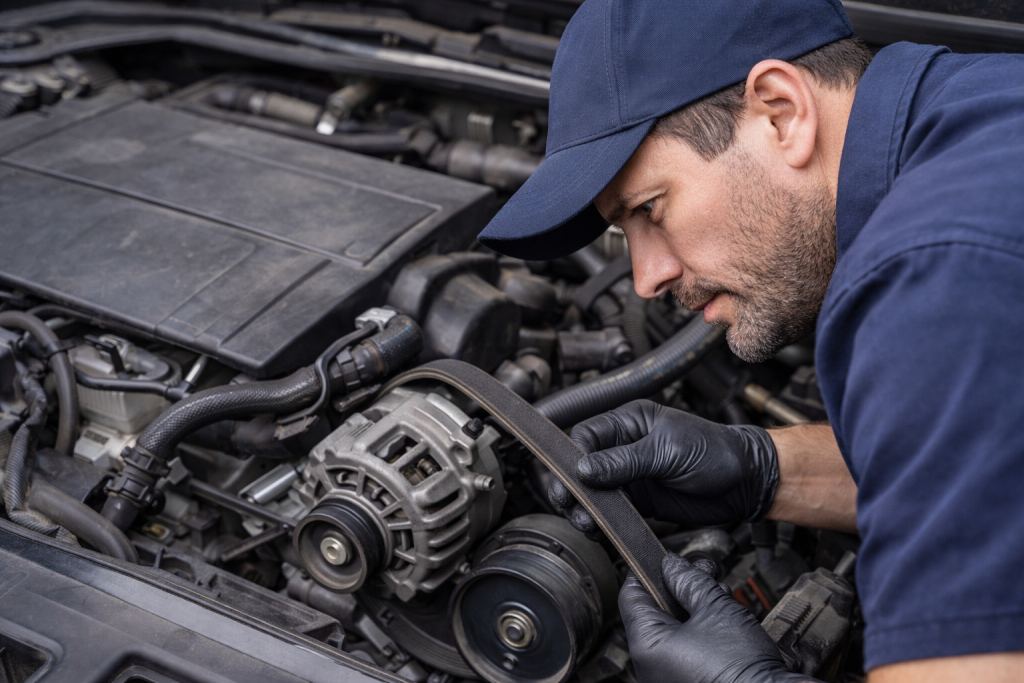
Your vehicle’s transmission is designed to shift gears smoothly and quietly. If you begin hearing unusual noises when shifting, it may indicate that something in the transmission or clutch system needs attention. Drivers may hear grinding, clunking, whining, or rattling sounds when the vehicle changes gears.
These noises can occur in both manual and automatic transmissions and may be caused by worn transmission components, low transmission fluid, clutch problems, or internal gear wear. While some noises may begin as minor issues, ignoring them can lead to more serious transmission damage over time.
Understanding why your car makes noise when shifting can help you identify potential problems early and avoid expensive repairs. If your vehicle starts making unusual sounds while shifting in Austin, TX, having the system inspected by a Mobile Mechanic in Austin, TX can help diagnose the issue and restore smooth gear changes.
How the Transmission System Works
The transmission is responsible for controlling how engine power is delivered to the wheels. It adjusts gear ratios so the engine can operate efficiently at different speeds.
Vehicles generally use either:
- Automatic transmissions
- Manual transmissions
Automatic transmissions shift gears automatically using hydraulic pressure, sensors, and electronic controls. Manual transmissions require the driver to shift gears using the clutch pedal and gear shifter.
Both systems rely on several components working together, including:
- Transmission gears
- Clutch components
- Transmission fluid
- Bearings and synchronizers
- Electronic control systems
If any of these components begin to wear or malfunction, unusual noises may occur when shifting gears.
Common Reasons a Car Makes Noise When Shifting
Low or Dirty Transmission Fluid
Transmission fluid lubricates internal components and helps maintain proper hydraulic pressure inside the transmission.
If the fluid level becomes low or contaminated, gears may not engage smoothly. This can cause grinding, whining, or clunking noises when the vehicle shifts.
Drivers may also notice delayed shifting or rough gear engagement.
Worn Transmission Gears
Inside the transmission are multiple gears that work together to transfer engine power to the wheels. Over time, these gears can wear down due to friction and heat.
When gears become worn or damaged, they may produce grinding or whining noises when shifting.
This problem may worsen if not addressed early.
Worn Synchronizers in Manual Transmissions
Manual transmissions use synchronizers to help match gear speeds during shifting.
If these synchronizers wear out, drivers may hear grinding noises when attempting to shift into certain gears.
This often occurs when shifting quickly or when downshifting.
Clutch Problems
For vehicles with manual transmissions, clutch issues can also cause noise during gear changes.
If the clutch does not fully disengage when the pedal is pressed, the gears may grind when attempting to shift.
Worn clutch components or hydraulic problems can contribute to this issue.
Transmission Mount Problems
Transmission mounts help secure the transmission to the vehicle frame. If these mounts become worn or damaged, the transmission may move slightly during gear changes.
This movement can produce clunking or knocking sounds when shifting gears.
Worn Bearings
Transmission bearings support the movement of rotating components inside the transmission.
If these bearings begin to wear, they may produce whining or humming noises that become more noticeable during gear shifts.
Warning Signs That Should Not Be Ignored
Noise when shifting gears may occur alongside other symptoms that indicate transmission problems.
Drivers should pay attention to signs such as:
- Rough or delayed shifting
- Grinding noises when changing gears
- Transmission slipping
- Burning smells from the transmission
- Dashboard transmission warning lights
These symptoms may indicate that the transmission requires inspection.
Is It Safe to Drive With Noisy Gear Shifts?
Driving with transmission noise may lead to further damage if the underlying problem is not addressed. Minor issues such as low fluid can sometimes be resolved easily, but more serious problems may worsen over time.
If the transmission continues to make noise during gear changes, internal components may eventually fail. In severe cases, the vehicle may lose the ability to shift gears entirely.
Having the problem diagnosed early helps prevent costly repairs.
How a Mobile Mechanic in Austin, TX Can Help
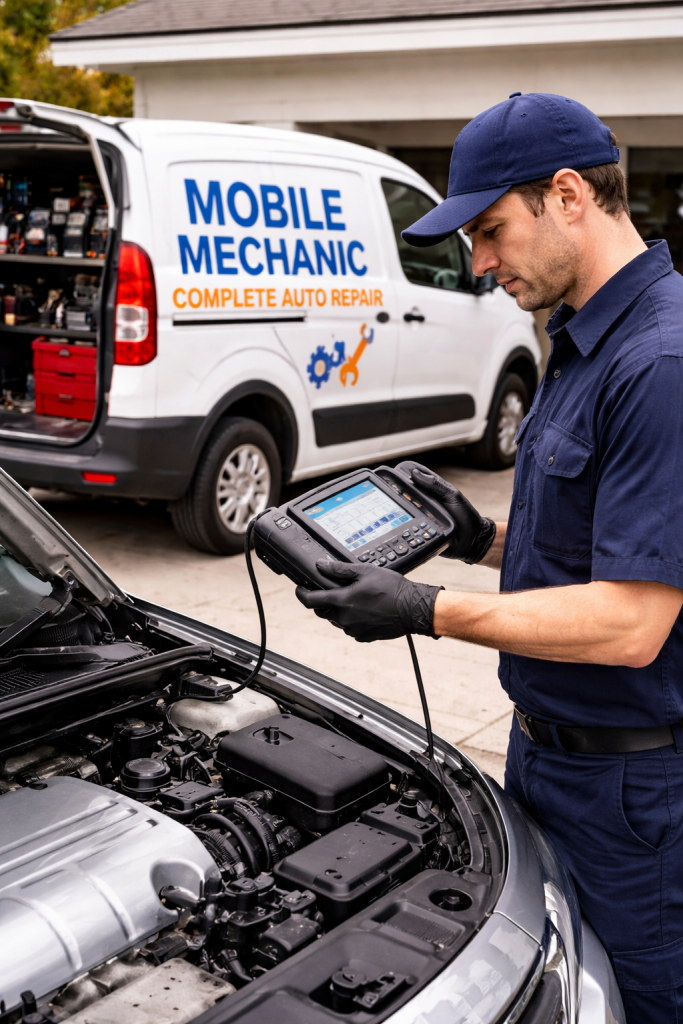
Transmission problems can be difficult to diagnose without proper inspection and testing. A Mobile Mechanic in Austin, TX can inspect your vehicle at your location and determine the cause of the shifting noise.
Mobile mechanic services may include:
- Transmission fluid inspection and replacement
- Transmission diagnostic testing
- Clutch system inspection
- Transmission mount inspection
- Gear and bearing evaluations
On-site repair services make it easier for drivers to address vehicle issues without visiting a repair shop.
Tips to Prevent Transmission Noise
- Maintain Proper Transmission Fluid Levels – Regular fluid checks help ensure internal components remain properly lubricated.
- Follow Recommended Maintenance Schedules – Routine maintenance helps prevent excessive wear on transmission components.
- Avoid Aggressive Driving – Rapid acceleration and harsh shifting can increase wear on transmission gears and clutch components.
- Address Small Problems Early – Unusual noises should be inspected promptly to prevent larger mechanical failures.
Preventive maintenance helps extend the life of the transmission and improves overall vehicle reliability.
Noise when shifting gears is often a warning sign that something in the transmission or clutch system requires attention. Low transmission fluid, worn gears, clutch problems, or damaged mounts can all contribute to unusual sounds during gear changes.
Recognizing these symptoms early and scheduling a professional inspection can help prevent serious transmission damage and expensive repairs. If your vehicle begins making noise when shifting in Austin, TX, diagnosing the issue quickly can restore smooth gear operation and protect your vehicle’s drivetrain.